

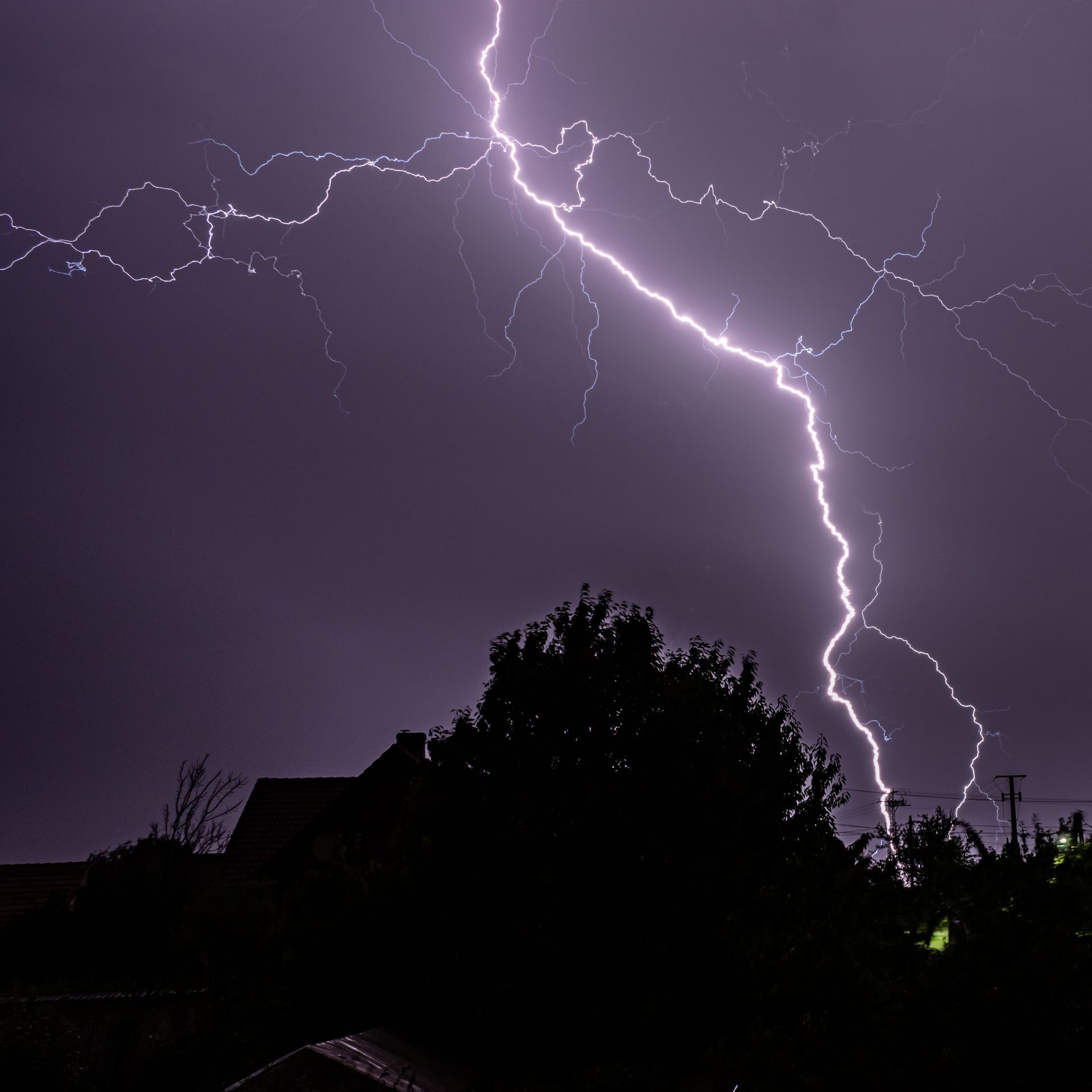
Florida homeowners rely on electricity for nearly every part of daily life—from air conditioning and refrigerators to televisions, computers, pool equipment, smart-home devices, and more. But what happens when a sudden power surge sends a spike of electricity through your home's wiring? A power surge can happen in an instant, and even a relatively short surge can potentially damage sensitive electronics and electrical equipment. While many homeowners use plug-in surge protectors for individual devices, whole-home surge protection provides another level of protection by helping protect the electrical system and connected equipment throughout the home. For homeowners in Brooksville, Spring Hill, Weeki Wachee, and throughout Hernando County , understanding how whole-home surge protection works can help you make informed decisions about your home's electrical system. What Is a Power Surge? A power surge is a sudden increase in electrical voltage that travels through an electrical system. Your home's electrical equipment is designed to operate within a specific voltage range. A significant increase can place stress on electronic components and, depending on the severity and equipment involved, potentially cause damage. Power surges can come from several sources, including: Lightning strikes Utility-related electrical events Power being restored after an outage Problems within the electrical grid Large electrical equipment switching on or off Electrical problems within a home Not every surge is dramatic or immediately noticeable. Some smaller surges can occur without an obvious flash, sound, or other warning. Can Lightning Cause a Power Surge? Yes. Lightning is one of the best-known sources of electrical surges. Florida experiences frequent thunderstorms and lightning, particularly during the warmer months. A lightning strike that directly or indirectly affects electrical infrastructure can create a powerful electrical surge. However, it's important to understand that whole-home surge protection is not a guarantee against lightning damage . No surge protection system can eliminate every possible electrical risk. Instead, a properly installed surge protection device is designed to help divert or limit certain transient voltage surges before they reach sensitive electrical equipment. What Is Whole-Home Surge Protection? Whole-home surge protection uses a surge protective device installed as part of a home's electrical system. Unlike a traditional plug-in surge protector that protects devices connected to that particular unit, a properly installed whole-home surge protection device can help protect multiple circuits and connected equipment throughout the house. Depending on the installation and system configuration, whole-home surge protection may help protect equipment such as: Televisions Computers Refrigerators Washing machines Dishwashers HVAC equipment Pool equipment Garage door openers Smart-home equipment Other connected electronics This can be particularly valuable in modern homes where more and more appliances and devices contain sensitive electronic components. Whole-Home Surge Protector vs. Plug-In Surge Protector A common question homeowners ask is whether they still need plug-in surge protectors if they have whole-home surge protection. The two serve different purposes. Plug-In Surge Protectors A plug-in surge protector is installed at an individual outlet and provides protection for devices connected to that unit. For example, you might use one for: A television A computer Home entertainment equipment A gaming system Office equipment Whole-Home Surge Protection A whole-home surge protection device is installed at the electrical panel or another appropriate location within the home's electrical system. It is designed to provide broader protection across the electrical system rather than protecting only the devices plugged into one particular power strip. For some homeowners, using both approaches can provide an additional layer of protection for sensitive equipment. Why Is Surge Protection Important for Florida Homes? Florida homeowners have several reasons to consider surge protection. 1. Florida Has Frequent Thunderstorms Thunderstorms and lightning are common throughout Florida, particularly during the state's warmer months. A lightning-related electrical event can potentially create a surge that affects homes and electrical equipment. 2. Modern Homes Contain More Electronics Today's homes have far more electronic equipment than many homes did decades ago. Even appliances that don't look like traditional electronics can contain circuit boards and other sensitive components. Your refrigerator, washing machine, HVAC system, pool equipment, and other household systems may all rely on electronic controls. 3. Smart-Home Technology Is Growing Homeowners are increasingly using smart thermostats, security systems, cameras, lighting controls, automated locks, Wi-Fi-connected appliances, and other connected devices. These systems can add convenience, but they also increase the amount of electronic equipment connected to your home's electrical system. 4. Power Can Be Interrupted and Restored Electrical outages can happen for a variety of reasons. When power returns, electrical conditions can change quickly. Surge protection can help address certain transient voltage events associated with changes in the electrical supply. What Can a Power Surge Damage? The potential impact of a power surge depends on factors such as the magnitude and duration of the surge, the equipment involved, and the home's electrical system. Potentially affected equipment can include: Computers Televisions Routers and networking equipment Appliances HVAC electronics Pool pumps and controls Garage door openers Security systems Smart-home equipment Chargers and other electronic devices Sometimes surge damage is immediately obvious. In other cases, equipment may continue operating but suffer damage to electronic components that could contribute to premature failure. Do Surge Protectors Prevent All Electrical Damage? No. Whole-home surge protection should be viewed as one component of an overall electrical safety strategy—not a guarantee that electrical equipment can never be damaged. Surge protection can help reduce the impact of certain transient voltage events, but it cannot eliminate every electrical hazard. Homeowners should still use appropriate electrical equipment, maintain their electrical system, address wiring problems, and have electrical work performed by qualified professionals. How Is a Whole-Home Surge Protector Installed? Whole-home surge protection is typically installed by a qualified electrician as part of the home's electrical system. The electrician will evaluate the existing electrical panel and determine the appropriate surge protection equipment and installation method for the home. Because the installation involves the home's electrical system, homeowners should not attempt to install a panel-mounted surge protection device themselves. A professional installation helps ensure the equipment is properly connected and installed according to applicable electrical requirements. Should You Add Surge Protection During an Electrical Panel Upgrade? An electrical panel upgrade can be a convenient time to discuss whole-home surge protection with your electrician. If you're already having electrical work performed, your electrician can evaluate your home's electrical system and discuss whether surge protection makes sense for your property. However, homeowners don't necessarily need to wait for a panel replacement to ask about surge protection. A qualified electrician can evaluate your existing electrical system and explain the available options. Do New Homes Need Whole-Home Surge Protection? Newer homes aren't immune to electrical surges. In fact, newer homes can contain a significant amount of sensitive electronic equipment, smart-home technology, appliances, and HVAC controls. Whether a particular home would benefit from whole-home surge protection depends on the home's electrical system, equipment, and the homeowner's needs. An electrician can help you understand your options. Signs You May Want to Consider Surge Protection There isn't necessarily a single visible warning sign that tells you a whole-home surge protector is required. Instead, homeowners may want to consider surge protection when: Your home has many electronic devices You have expensive appliances or electronics You have smart-home technology You rely heavily on electronic equipment Your home experiences frequent electrical interruptions You're installing a new electrical panel You're adding an EV charger or other major electrical equipment You're concerned about lightning and electrical surges You want an additional layer of protection for your electrical system Protect Your Home's Electrical System Power surges can happen quickly, and homeowners may not know when one is coming. While surge protection cannot eliminate every electrical risk, whole-home surge protection can provide an additional layer of protection for your home's electrical system and connected equipment . If you're unsure whether your home has adequate surge protection, an electrical professional can evaluate your system and explain your options. Whole-Home Surge Protection in Brooksville, FL Emerald Isle Electric provides residential electrical services for homeowners in Brooksville, Spring Hill, Weeki Wachee, Hernando County, and surrounding Florida communities . If you're interested in whole-home surge protection, upgrading your electrical panel, installing a generator, adding an EV charger, or addressing another electrical concern, our team can help evaluate your home's electrical needs. Don't wait until an electrical surge damages something you depend on. Contact Emerald Isle Electric to learn more about whole-home surge protection and other residential electrical services. Emerald Isle Electric Serving Brooksville, Hernando County, and surrounding Florida communities Website: www.isleelectric.com
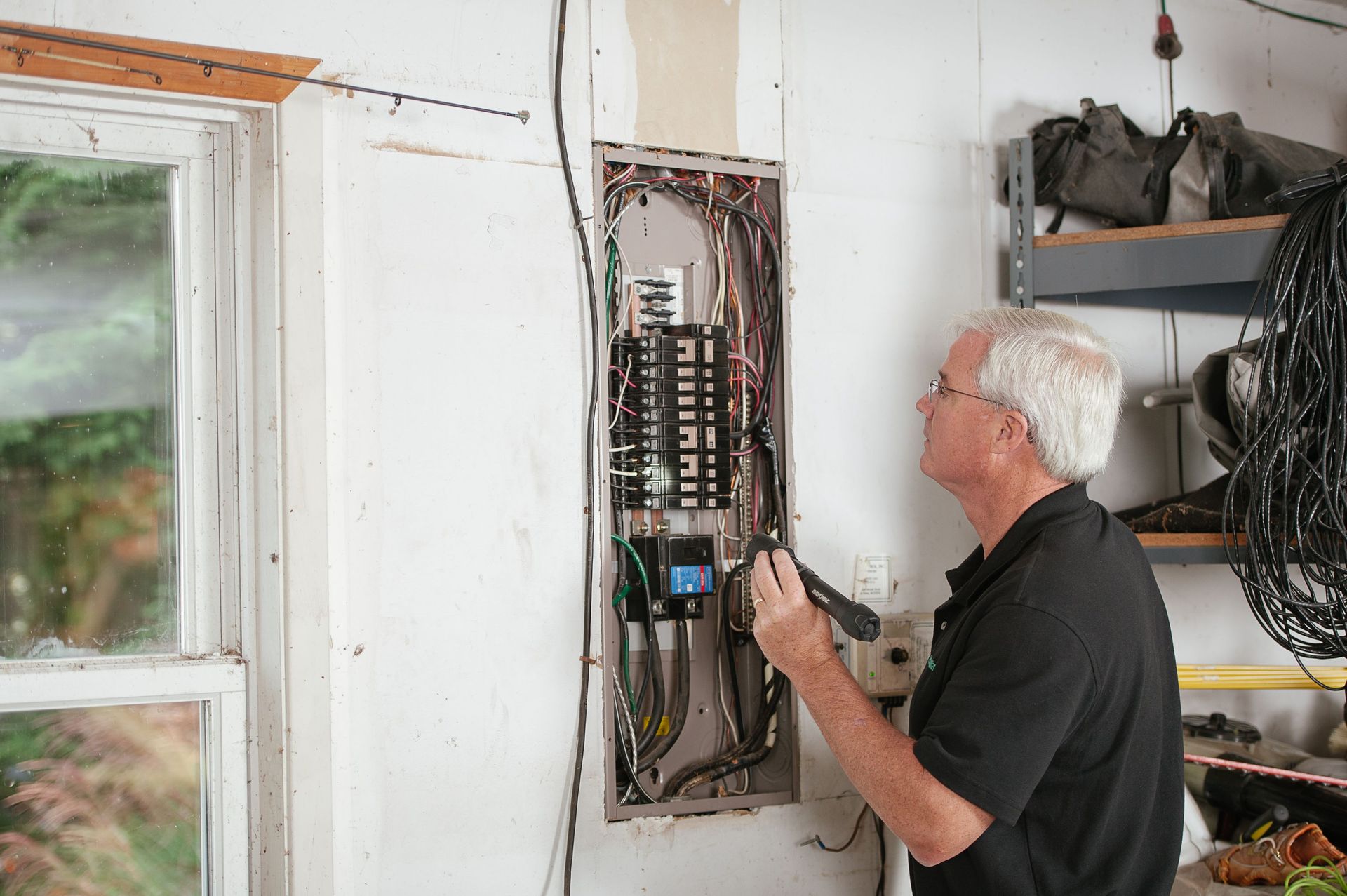
Your home's electrical panel is the central point that distributes electricity throughout your house. When the panel is outdated, overloaded, or unable to handle your home's electrical demands, it can create frustrating problems—and potentially serious electrical safety concerns. For homeowners in Brooksville, Spring Hill, Weeki Wachee, and throughout Hernando County, knowing the warning signs of an electrical panel that needs an upgrade can help you address problems before they become more significant. Here are seven signs that it may be time to have your electrical panel inspected by a qualified electrician. 1. Your Circuit Breakers Trip Frequently An occasional tripped breaker isn't necessarily a reason to panic. Circuit breakers are designed to shut off power when a circuit becomes overloaded or experiences a fault. However, if you find yourself constantly resetting breakers, there may be an underlying electrical problem. Frequent breaker trips can indicate: An overloaded circuit Too many appliances operating on the same circuit A problem with an appliance or electrical component Wiring issues An electrical panel that cannot adequately handle your home's current demand Instead of repeatedly resetting the breaker, homeowners should have the electrical system evaluated to determine why the breaker is tripping. 2. Your Home Has an Older Electrical Panel Older homes can have electrical systems that were designed for a much smaller amount of electricity than today's households typically use. Modern homes may have numerous high-demand appliances and systems, including: Central air conditioning Electric water heaters Electric ranges Pool equipment Hot tubs EV chargers Home offices Smart-home equipment Backup generators If your home's electrical demand has increased significantly over the years, your existing panel may not have the capacity your household needs. An electrician can evaluate your current electrical load and determine whether a panel upgrade would be appropriate. 3. You Notice Flickering or Dimming Lights Do your lights flicker when your air conditioner starts? Do they dim when you turn on another major appliance? Occasional changes in lighting can have several causes, but persistent flickering or dimming shouldn't be ignored. Potential causes can include: Loose electrical connections Circuit overload Wiring problems Voltage fluctuations Electrical panel issues Because these symptoms can originate from different parts of your electrical system, a professional inspection is the best way to determine the cause. 4. You're Planning a Major Electrical Addition Sometimes the need for an electrical panel upgrade becomes apparent before a problem occurs. If you're planning to add a major electrical load to your home, your existing panel should be evaluated beforehand. Examples include installing: An electric vehicle charger A pool or spa An electric water heater A new HVAC system Additional air conditioning equipment A home addition A large workshop A standby generator Adding new equipment without considering the capacity of the existing electrical system can create unnecessary electrical problems. A professional electrician can evaluate the panel, wiring, circuits, and available capacity before the new equipment is installed. 5. Your Electrical Panel Feels Hot or Shows Signs of Damage Your electrical panel should not be excessively hot to the touch, and homeowners should take visible damage seriously. Warning signs can include: Discoloration Burn marks Melted components A burning odor Scorching around breakers Buzzing or unusual sounds Signs of corrosion or moisture intrusion These can indicate an electrical problem that requires prompt professional attention. If you notice smoke, a strong burning smell, sparks, or another immediate electrical hazard, turn off power if it is safe to do so and contact a qualified electrician or emergency services as appropriate. 6. You Have Too Many Extension Cords or Power Strips Extension cords can be convenient for temporary situations, but relying on them throughout your home may indicate that your existing electrical system doesn't provide enough conveniently located outlets or circuits. If you regularly use extension cords or power strips to operate major appliances or equipment, an electrician can determine whether additional dedicated circuits or outlets would provide a safer, more permanent solution. A panel upgrade may be part of that solution if your electrical system also lacks sufficient capacity. 7. You're Not Sure Whether Your Electrical Panel Can Handle Your Home's Needs Sometimes the biggest warning sign is simply uncertainty. If you've purchased an older home, remodeled your house, added major appliances, or haven't had your electrical system evaluated in many years, an electrical inspection can provide valuable information about the condition and capacity of your system. An electrician can evaluate your panel and electrical system and help determine whether you need: Electrical repairs Additional circuits A panel upgrade A complete panel replacement Rewiring or other electrical improvements Not every older electrical panel needs to be replaced. The appropriate solution depends on the condition of the equipment, your home's electrical demand, and the requirements of your electrical system. What Is an Electrical Panel Upgrade? An electrical panel upgrade involves replacing or upgrading the equipment that distributes electricity throughout your home. Depending on the situation, an electrical panel project may involve upgrading the panel itself, increasing electrical capacity, installing new breakers, improving circuits, or making other necessary electrical improvements. The right solution depends on the home's existing electrical infrastructure and what you need it to support. That's why a professional evaluation should come before deciding that you need a particular panel size or configuration. Do Florida Homeowners Need to Worry About Electrical Panels? Florida homes can place significant demands on electrical systems. Air conditioning systems often operate for extended periods, while many homes also have electric water heaters, pool equipment, irrigation systems, outdoor electrical equipment, and other high-demand appliances. Homeowners may also add newer technologies such as EV chargers, smart-home systems, and backup generators. As electrical demand increases, your electrical system needs to be able to safely accommodate those loads. For homeowners in Brooksville and surrounding communities, having an electrician evaluate your system can help identify capacity issues and potential electrical problems. Should You Upgrade Your Electrical Panel Before Buying an EV? An electric vehicle charger can add a substantial electrical load to a home. If you're considering an EV charger, don't assume your existing panel automatically has enough capacity. An electrician can evaluate your panel and determine whether your home's electrical system can accommodate the charger. In some situations, the existing system may be sufficient. In others, electrical upgrades may be necessary. Planning ahead can help prevent surprises during the EV charger installation process. How Long Does an Electrical Panel Upgrade Take? The time required for an electrical panel upgrade varies depending on the home's existing electrical system and the scope of the project. Factors that can affect the project include: Existing panel condition Available electrical capacity Required permits Panel location Wiring condition Additional circuit requirements Utility requirements Whether other electrical upgrades are needed A qualified electrician can evaluate your home and explain what the project involves before work begins. Don't Ignore Electrical Warning Signs Your electrical panel is an important part of your home's electrical system. Frequent breaker trips, flickering lights, visible panel damage, and increasing electrical demand can all be reasons to have your system evaluated. At the same time, not every electrical problem means you need a complete panel replacement. A professional inspection can help determine what your home actually needs. If you're considering an electrical panel upgrade, adding an EV charger, installing a generator, remodeling your home, or simply want to understand the condition of your electrical system, Emerald Isle Electric can help. Electrical Panel Upgrades in Brooksville, FL Emerald Isle Electric provides electrical services for homeowners in Brooksville and surrounding communities. Our team can evaluate your electrical system, identify potential problems, and help determine whether an electrical panel upgrade or another electrical solution is appropriate for your home. Don't wait until an electrical problem becomes an emergency. Contact Emerald Isle Electric to schedule an electrical evaluation and learn more about your options. Emerald Isle Electric Serving Brooksville, Hernando County, and surrounding Florida communities Website: www.isleelectric.com
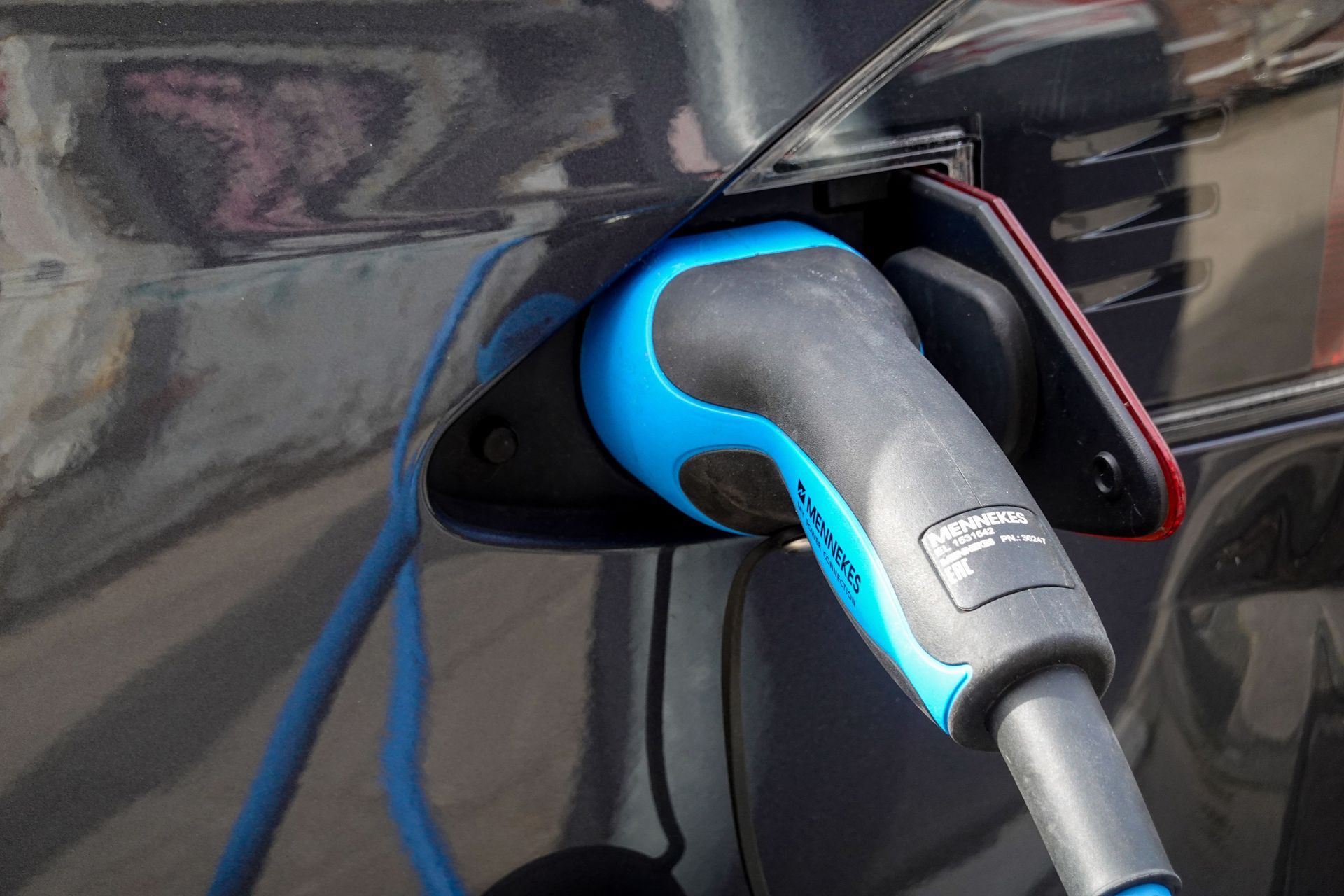
Need an EV charger at home? Learn what Florida homeowners need to know about Level 2 EV charger installation, electrical panels, capacity and safety.
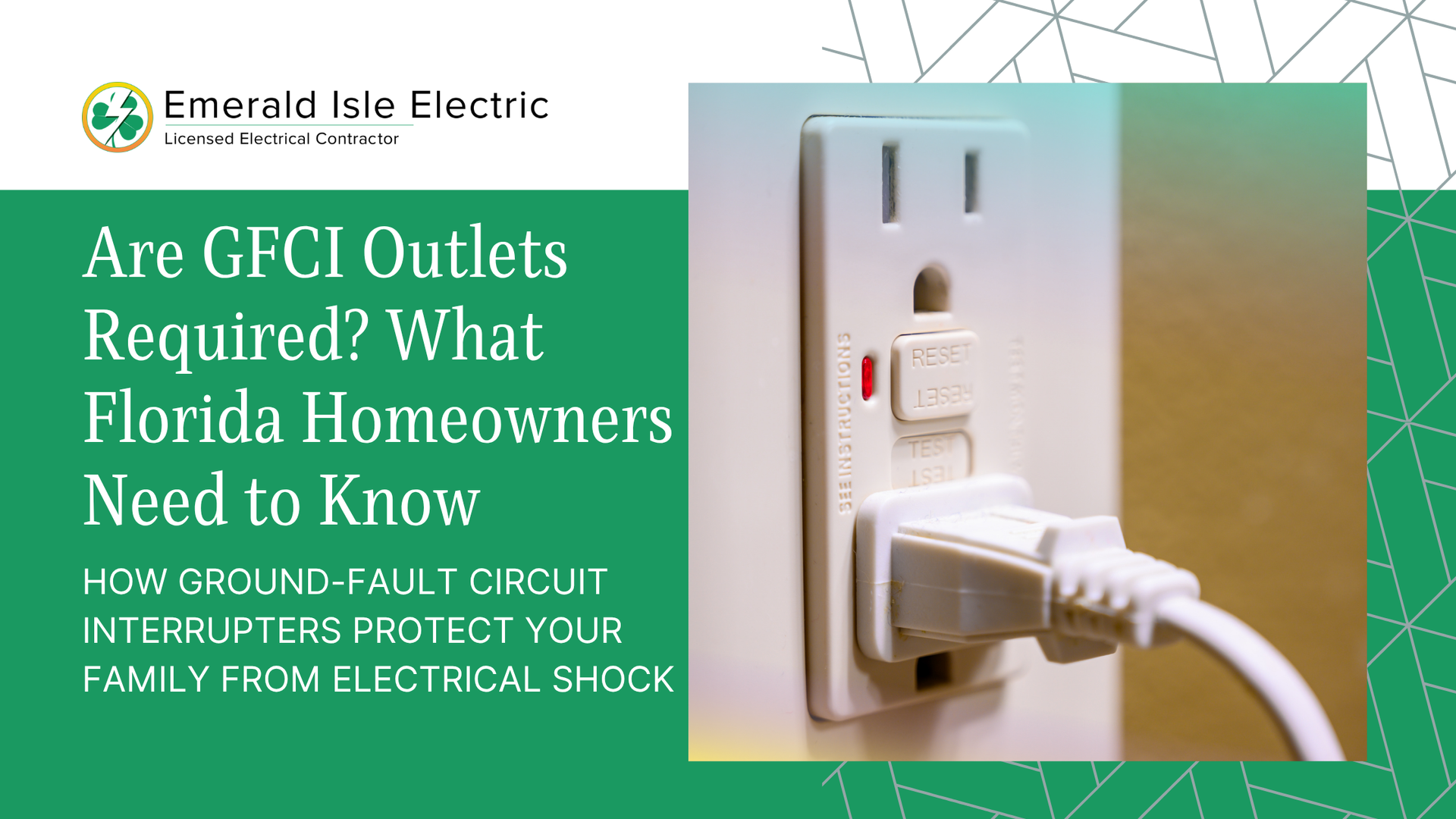
What Is a GFCI Outlet? If you've ever noticed an electrical outlet with "TEST" and "RESET" buttons, you've probably encountered a Ground-Fault Circuit Interrupter, commonly called a GFCI outlet. GFCI protection is one of the most important electrical safety features in a modern home. A GFCI monitors the amount of electricity flowing through a circuit. If it detects that electricity is taking an unintended path, such as through a person toward the ground—it can interrupt power extremely quickly. That rapid response can help reduce the risk of serious electrical shock. For homeowners, the important question isn't simply "What is a GFCI?" It's: Does my home have GFCI protection everywhere it should? If you're unsure, an inspection from a licensed electrician can help identify outdated, damaged, or improperly protected outlets. Why GFCI Protection Is So Important Electricity and water are an especially dangerous combination. That's why GFCI protection is commonly found in areas where electrical equipment may come into contact with moisture. Examples include: Bathrooms Kitchens Garages Laundry areas Outdoor receptacles Pool and spa areas Other damp or potentially wet locations A standard electrical outlet may continue supplying power during a ground fault. A properly functioning GFCI is designed to detect that dangerous imbalance and disconnect the circuit. This makes GFCI protection an important part of a home's overall electrical safety system. Where Are GFCI Outlets Commonly Required? Electrical requirements can vary depending on the location, construction date, applicable code, and specific circumstances of the installation. That's why homeowners shouldn't assume every outlet in an older home meets today's requirements. However, GFCI protection is commonly required or recommended in areas such as: 1. Bathrooms Bathrooms contain sinks, showers, tubs, and other sources of water. GFCI protection is particularly important around bathroom receptacles because electrical appliances such as hair dryers, curling irons, and electric shavers are often used near water. 2. Kitchens Kitchen countertops are another common location for GFCI-protected receptacles. Think about everything that happens around a kitchen sink: Washing dishes Filling pots Cleaning countertops Using small appliances Preparing food Water can easily reach electrical equipment, which makes appropriate GFCI protection essential. 3. Garages Garages often contain both electrical equipment and concrete floors that can become damp. Homeowners may use outlets for: Power tools Lawn equipment Shop vacuums Freezers Battery chargers Pressure washers GFCI protection helps provide an additional layer of safety in these environments. 4. Outdoor Outlets Florida homeowners spend plenty of time outdoors. Outdoor receptacles may power: Pool equipment Landscape lighting Lawn equipment Holiday decorations Outdoor kitchens Pressure washers Patio entertainment systems Outdoor outlets should have appropriate weather protection and GFCI protection where required. 5. Laundry Areas Washing machines, utility sinks, and other equipment can make laundry areas particularly important locations for electrical safety. If you're remodeling a laundry room or adding new outlets, have the electrical work evaluated by a licensed electrician to ensure the installation is properly protected. How Does a GFCI Outlet Work? A GFCI constantly monitors the electrical current flowing through the circuit. Under normal circumstances, the electricity leaving the outlet should be approximately equal to the electricity returning through the circuit. If the GFCI detects a difference, it can interpret that imbalance as a potential ground fault and interrupt the power. In simple terms: Normal operation → Electricity follows its intended path. Ground fault → Electricity takes an unintended path. GFCI detects the imbalance → Power is interrupted. This happens extremely quickly. The purpose isn't to prevent every electrical problem. Rather, GFCI protection is designed to help protect people from dangerous ground-fault conditions. What Does the TEST Button Do? The TEST button is there for a reason. Pressing it should cause the GFCI to interrupt power. You can then press RESET to restore power. Homeowners should periodically test GFCI devices according to the manufacturer's instructions. If you press TEST and nothing happens, that's a warning sign. Likewise, if the outlet won't reset, don't assume it's simply inconvenient. There could be an underlying electrical issue. Why Does My GFCI Keep Tripping? A GFCI that trips occasionally may be responding to a genuine ground fault. However, repeated tripping deserves attention. Potential causes can include: A faulty appliance Moisture intrusion Damaged wiring A defective GFCI device An electrical fault elsewhere on the circuit Improper installation For example, if an outdoor GFCI outlet trips every time you plug in a particular piece of equipment, the problem could be the equipment rather than the outlet itself. The safest approach is to have the problem professionally diagnosed instead of repeatedly resetting the device. What If a GFCI Outlet Won't Reset? This is one of the most common questions homeowners ask. If a GFCI won't reset, several things could be happening. There may still be a fault. The device may be preventing power from being restored because it detects an unsafe condition. Another GFCI may be protecting the circuit. One GFCI device can sometimes provide protection to downstream receptacles. The outlet that appears dead may not be the device that actually needs to be reset. The GFCI may have failed. Electrical devices don't last forever. A worn or defective GFCI may need replacement. There could be a wiring problem. A licensed electrician can determine whether the issue involves the receptacle, wiring, appliance, breaker, or another component. Don't repeatedly force a GFCI to reset if it won't stay on. GFCI vs. AFCI: What's the Difference? Homeowners often confuse GFCI and AFCI protection because both are designed to improve electrical safety. They serve different purposes. GFCI Protection GFCI protection primarily addresses ground faults and helps protect people from electrical shock. AFCI Protection Arc-Fault Circuit-Interrupter protection is designed to detect dangerous electrical arcing conditions that can contribute to electrical fires. Depending on the circuit and location, a home may require one type of protection, the other, or both. A licensed electrician can evaluate your electrical system and determine what protection is appropriate. Do Older Florida Homes Have Enough GFCI Protection? Not necessarily. One of the challenges with older homes is that electrical requirements have changed over time. A home may have been completely compliant with the requirements in place when it was constructed but still lack protections commonly expected in newer installations. This doesn't automatically mean an older home is unsafe. It does mean homeowners should consider having older electrical systems evaluated—particularly when purchasing a home, remodeling, adding appliances, or experiencing recurring electrical problems. Warning Signs Your GFCI System Needs Attention Contact a licensed electrician if you notice: GFCI outlets that won't reset GFCI outlets that trip repeatedly Cracked or damaged receptacles Discoloration around an outlet Burning smells Buzzing or crackling Loose outlets Water exposure Missing weatherproof covers Outlets that don't appear to have appropriate protection Never ignore signs of overheating or electrical damage. Can I Install a GFCI Outlet Myself? Replacing a simple electrical receptacle may appear straightforward, but electrical work involves serious safety risks. Incorrect wiring can result in: Shock hazards Fire hazards Improper protection Damage to equipment Code compliance problems There's also an important distinction between simply replacing a receptacle and determining where GFCI protection is required throughout an electrical system . If you're unsure whether your home has appropriate protection, a professional electrical inspection is the better starting point. Florida Homeowners Should Pay Special Attention to Outdoor GFCI Protection Florida's weather creates unique challenges for outdoor electrical systems. Rain, humidity, irrigation, pool water, and storms can all expose outdoor electrical components to moisture. Outdoor electrical equipment should be properly installed, maintained, and protected. If you have a pool, outdoor kitchen, patio, workshop, or extensive landscape lighting, ask an electrician to evaluate your outdoor electrical system. GFCI Protection and Pool Safety Swimming pools create an environment where electrical safety is especially important. Pool pumps, lighting, heaters, and other equipment require proper electrical installation and protection. Never assume that an outdoor outlet near a pool is safe simply because it has a weather-resistant cover. Electrical equipment around pools should be installed and maintained according to applicable electrical safety requirements. If you're installing a pool or renovating existing pool equipment, have the electrical system evaluated by a qualified professional. How Often Should GFCI Outlets Be Tested? GFCI manufacturers provide testing recommendations, and homeowners should follow the instructions for their specific devices. A simple test involves pressing the TEST button and verifying that power is interrupted, then pressing RESET to restore power. If the device fails to respond as expected, contact a licensed electrician. Regular testing is a simple step that can help identify a problem before you actually need the protection. What Happens During a Professional GFCI Inspection? A professional electrician can evaluate much more than whether a TEST button appears to work. An inspection may include checking: Receptacle condition Wiring connections Grounding Polarity GFCI operation Circuit protection Outdoor weather protection Downstream receptacles Signs of overheating or moisture damage This is especially valuable in older homes or homes where electrical work has been performed by multiple contractors over the years. Frequently Asked Questions About GFCI Outlets What does GFCI stand for? GFCI stands for Ground-Fault Circuit Interrupter. It is an electrical safety device designed to interrupt power when it detects a potentially dangerous ground fault. Where should GFCI outlets be installed? GFCI protection is commonly required in areas where electrical equipment may be exposed to water or moisture, including bathrooms, kitchens, garages, outdoor areas, and pool-related locations. Exact requirements depend on the installation and applicable electrical code. Why does my GFCI outlet keep tripping? Repeated tripping can indicate moisture, a faulty appliance, damaged wiring, a defective GFCI, or another electrical problem. The underlying cause should be diagnosed rather than repeatedly resetting the outlet. How do I know if my GFCI outlet is working? Use the TEST button according to the manufacturer's instructions. The device should interrupt power, and the RESET button should restore it. If it doesn't operate correctly, have it inspected. Can one GFCI protect multiple outlets? Yes. Depending on how the circuit is wired, a GFCI device can provide protection to downstream receptacles. Are GFCI outlets required in older homes? Requirements depend on when and how the electrical system was installed and the applicable code requirements. An electrician can evaluate an older home and identify opportunities to improve electrical safety. Is It Time to Check Your GFCI Protection? GFCI protection is one of the simplest ways to improve electrical safety in your home—but only if the devices are installed correctly and functioning properly. If you live in Florida and you're unsure whether your bathrooms, kitchen, garage, outdoor areas, or other moisture-prone locations have appropriate GFCI protection, don't guess. Have your electrical system evaluated by a licensed professional. Emerald Isle Electric provides residential electrical inspections, GFCI installation and replacement, electrical repairs, panel upgrades, surge protection, lighting services, EV charger installation, and other electrical solutions for Florida homeowners. Whether your GFCI keeps tripping, won't reset, or you simply want to make sure your home has appropriate electrical protection, our team can help identify the problem and explain your options. Don't wait until an electrical problem becomes a safety emergency. Contact Emerald Isle Electric today to schedule professional electrical service. Emerald Isle Electric Safe electrical work. Reliable service. Peace of mind for your home.
Hurricane Season Is Here: Is Your Home's Electrical System Ready? Living in Florida means enjoying beautiful weather most of the year—but it also means preparing for hurricane season. Late July is when tropical systems begin becoming more active, making now the ideal time to ensure your home's electrical system is ready before severe weather arrives. While many homeowners stock up on bottled water, batteries, and plywood, one of the most overlooked areas of storm preparation is the electrical system. Power surges, downed lines, flooded electrical panels, damaged wiring, and generator hazards can all create serious safety risks during and after a hurricane. At Emerald Isle Electric, we help homeowners throughout Citrus County, Hernando County, Pasco County, Marion County, Sumter County, and surrounding communities prepare their homes before storms arrive—keeping families safer while minimizing costly electrical damage. Why Hurricane Preparation Starts with Your Electrical System High winds and heavy rain don't just knock out power—they can damage nearly every part of your home's electrical infrastructure. Potential hurricane-related electrical issues include: Lightning-induced power surges Flooded electrical panels Water damage to outlets and switches Fallen trees damaging service lines Generator backfeeding hazards Damaged outdoor electrical equipment Loss of power to medical equipment Spoiled food due to extended outages Taking preventative steps now can save thousands of dollars in repairs later. 1. Install Whole-Home Surge Protection One of the smartest upgrades before hurricane season is installing a whole-home surge protector. During storms, lightning strikes and utility grid fluctuations can send dangerous voltage spikes through your home's electrical system. Without protection, these surges can damage: HVAC systems Refrigerators TVs Computers Smart home devices Security systems Appliances Electric vehicle chargers A professionally installed surge protector acts as your home's first line of defense. 2. Have Your Electrical Panel Inspected Your electrical panel is the heart of your home's electrical system. Before hurricane season reaches its peak, have a licensed electrician inspect for: Rust or corrosion Loose breakers Water intrusion Improper wiring Aging components Capacity issues Older homes especially benefit from an inspection, as many panels were never designed for today's electrical demands. 3. Know How to Safely Use a Portable Generator Every year, improper generator use causes fires, carbon monoxide poisoning, and dangerous electrical accidents. Never: ❌ Plug a generator directly into a wall outlet. This practice, called backfeeding, can energize utility lines and seriously injure utility workers restoring power. Instead: Use a professionally installed transfer switch. Follow all manufacturer safety instructions. Operate generators outdoors only. Keep generators away from windows and doors. Never operate in a garage. If you're considering backup power, Emerald Isle Electric can install a safe generator connection or transfer switch before the next storm. 4. Secure Outdoor Electrical Equipment Florida storms bring intense wind-driven rain. Inspect: Outdoor outlets Landscape lighting Pool equipment Disconnect boxes Exterior panels Air conditioning disconnects Damaged weatherproof covers should be replaced immediately to prevent moisture intrusion. 5. Protect Your Electronics Even if the power doesn't completely fail, voltage fluctuations can damage expensive electronics. Consider unplugging: TVs Gaming systems Desktop computers Routers Home theater equipment Smart appliances A whole-home surge protector provides excellent protection, but unplugging sensitive electronics during severe storms adds another layer of safety. 6. Trim Trees Near Electrical Service Lines One of the leading causes of power outages is falling tree limbs. If you notice branches growing near your home's service line: Schedule professional tree trimming. Never trim limbs touching power lines yourself. Contact your utility company if utility-owned lines are involved. Keeping vegetation maintained can significantly reduce outage risks. 7. Never Touch Downed Power Lines After a hurricane, assume every downed power line is energized. Stay at least 35 feet away and immediately report damaged lines to your utility provider. Even standing water may become energized if power lines have fallen nearby. 8. Consider a Standby Generator Florida's hurricane season often includes extended power outages lasting several days. A permanently installed standby generator can automatically restore power to critical systems, including: Air conditioning Refrigeration Medical equipment Internet Lighting Security systems Well pumps Our team can help determine the right backup power solution for your home and ensure it is installed safely and in compliance with electrical codes. Electrical Safety After the Storm Once the storm has passed: Never enter flooded areas containing electrical equipment. Don't reset breakers if your panel has been submerged. Replace water-damaged outlets and switches. Have your electrical system professionally inspected before restoring power if flooding occurred. Watch for burning smells or flickering lights after power returns. Electrical damage isn't always immediately visible, making a professional inspection one of the safest investments after severe weather. Schedule Your Hurricane Electrical Safety Inspection Today Don't wait until a tropical storm is already in the Gulf. Preparing your home's electrical system now can prevent expensive repairs, reduce downtime, and help keep your family safe when severe weather strikes. Contact Emerald Isle Electric today to schedule your Hurricane Electrical Safety Inspection and gain peace of mind before the next storm arrives.

Why Summer Places More Stress on Your Home's Electrical System For many Florida homeowners, summer means family vacations, backyard barbecues, pool parties, and trying to stay cool during long stretches of hot, humid weather. While you're focused on keeping your air conditioner running efficiently, there's another system working overtime behind your walls—your home's electrical system. During the summer months, your electrical system experiences some of its highest demand of the entire year. Air conditioners run almost continuously, ceiling fans operate around the clock, pool pumps stay on for extended periods, refrigerators work harder, and household electronics are used more frequently as families spend time indoors escaping the heat. Unfortunately, this increased demand can expose hidden electrical issues that may have gone unnoticed throughout the rest of the year. At Emerald Isle Electric, we frequently receive emergency service calls during the summer for problems that could have been prevented with a professional electrical inspection. Understanding how summer affects your home's electrical system can help you avoid expensive repairs, inconvenient outages, and potentially dangerous electrical hazards. Why Summer Is Hard on Electrical Systems Electricity generates heat. The more electricity flowing through your home's wiring, outlets, circuits, and electrical panel, the more heat those components produce. When outside temperatures climb into the 90s, your home's electrical components have a harder time dissipating that heat. Combine this with heavy electrical usage, and aging electrical systems can quickly become overloaded. Some of the biggest contributors to increased summer electrical demand include: Central air conditioning systems Window air conditioning units Pool equipment Hot tubs Outdoor kitchens Refrigerators and freezers Dehumidifiers Electric vehicle chargers Outdoor lighting Home entertainment systems Even newer homes can experience electrical issues if the system isn't properly maintained or if new appliances have been added over the years without evaluating the home's electrical capacity. Warning Signs Your Electrical System Is Struggling Many homeowners don't realize their electrical system is showing signs of distress until a breaker trips or the power goes out. Watch for these common warning signs: Flickering or Dimming Lights Do your lights dim every time your air conditioner starts? Do lights flicker when someone uses the microwave? These symptoms often indicate overloaded circuits, loose electrical connections, or an aging electrical panel. Frequently Tripped Breakers Circuit breakers are designed to protect your home. If you're constantly resetting breakers, your electrical system is telling you something is wrong. Common causes include: Overloaded circuits Failing breakers Short circuits Aging electrical panels Never ignore a breaker that trips repeatedly. Warm Outlets or Switches Outlets and switches should never feel hot. Warm outlets may indicate: Loose wiring Overloaded circuits Damaged receptacles Internal electrical failures If an outlet feels hot, discontinue using it and schedule an inspection immediately. Burning Smells One of the most dangerous warning signs is the smell of burning plastic or melting insulation. This often indicates overheating wires behind walls. If you notice this odor: Turn off power to the affected area if possible. Avoid using the outlet or switch. Contact a licensed electrician immediately. Buzzing Sounds Electricity should operate silently. Buzzing from: Outlets Switches Breaker panels Ceiling fixtures may indicate loose wiring or failing electrical components that require immediate attention. The Hidden Risks of Overloaded Circuits Modern homes use significantly more electricity than homes built even 20 years ago. Think about all the devices today's families rely on: Smartphones Tablets Smart TVs Gaming systems Smart appliances Home offices Wi-Fi equipment Security cameras Smart lighting Many older homes simply weren't designed for this level of electrical demand. Overloaded circuits can cause: Premature appliance failure Frequent outages Damaged electronics Increased energy costs Electrical fires Why Summer Is the Best Time for an Electrical Inspection A comprehensive electrical inspection identifies small problems before they become emergencies. An Emerald Isle Electric inspection includes evaluating: Electrical Panel Your panel is inspected for: Corrosion Loose breakers Overheating Proper labeling Capacity concerns Wiring Our electricians look for: Damaged insulation Loose connections Improper wiring Code violations Outlets and Switches We inspect: GFCI outlets AFCI protection Loose outlets Damaged switches Grounding Exterior Electrical Components Florida weather can take a toll on outdoor electrical equipment. We inspect: Outdoor receptacles Pool equipment connections Exterior lighting Weatherproof covers Florida Weather Makes Electrical Safety Even More Important Summer in Florida isn't just hot—it's storm season. Lightning strikes, heavy rain, tropical storms, and hurricanes all create additional electrical risks. Power surges caused by lightning can damage: Televisions Computers HVAC systems Refrigerators Garage door openers Security systems Smart home devices Installing a whole-home surge protector provides an added layer of protection for your most valuable electronics. Tips to Reduce Electrical Stress During Summer Homeowners can help protect their electrical systems by following these simple tips: Avoid plugging multiple high-powered appliances into the same circuit. Replace damaged extension cords. Never run extension cords under rugs. Keep outdoor electrical equipment dry. Test GFCI outlets monthly. Schedule annual electrical inspections. Upgrade aging electrical panels when necessary. Install whole-home surge protection. Frequently Asked Questions How often should I have my home's electrical system inspected? Most homeowners should schedule an electrical inspection every three to five years. Older homes or homes undergoing renovations may benefit from more frequent inspections. Can hot weather damage electrical wiring? Extreme heat doesn't usually damage wiring by itself, but high temperatures combined with heavy electrical demand can expose loose connections, overloaded circuits, and aging electrical components. Why do my lights dim when my air conditioner turns on? This often indicates your air conditioner is placing a heavy load on your electrical system. While slight dimming can be normal, significant or frequent dimming should be evaluated by a licensed electrician. Are frequent breaker trips dangerous? Yes. Breakers trip to protect your home from overheating and electrical fires. Repeated trips indicate an underlying issue that should be professionally diagnosed. Is a whole-home surge protector worth it? Absolutely. Florida experiences some of the highest lightning activity in the country. Whole-home surge protection helps safeguard expensive electronics and appliances from voltage spikes. Protect Your Home Before Small Problems Become Big Repairs Summer is the perfect time to make sure your home's electrical system is ready for increased demand and Florida's unpredictable weather. Whether you're noticing flickering lights, tripping breakers, or simply want peace of mind, a professional electrical inspection can identify hidden issues before they become costly emergencies. At Emerald Isle Electric, our licensed electricians proudly serve homeowners throughout Florida with dependable electrical inspections, panel upgrades, surge protection, lighting installations, wiring repairs, and complete residential electrical services. Don't wait until an electrical problem interrupts your summer. Schedule your electrical inspection today and enjoy the confidence that comes from knowing your home is safe, efficient, and prepared for whatever the season brings. Call Emerald Isle Electric Ready to upgrade your home's electrical service? Contact Emerald Isle Electric today to learn more about underground conversions, panel upgrades, and other residential electrical services. Phone: (352) 329-7162 Website: http://isleelectric.com/contact-us/
Is Your Breaker Panel Trying to Warn You? Circuit breakers are designed to protect your home from dangerous electrical overloads. If your breaker keeps tripping, it’s not just annoying—it’s often a sign of a larger issue.
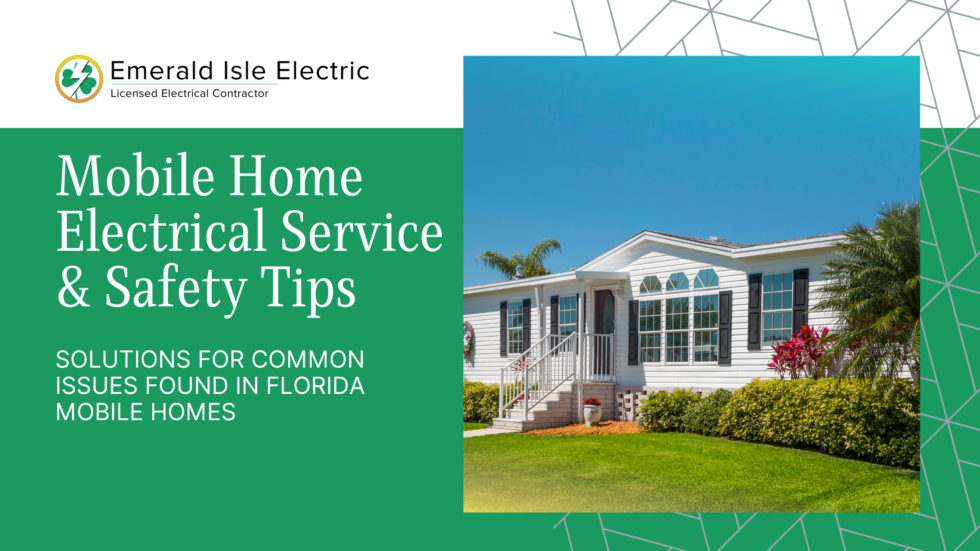
Mobile Home Electrical Problems Can Become Serious Fast Mobile homes have unique electrical systems that require specialized experience and attention. Older wiring, overloaded circuits, and outdated panels can quickly become safety hazards if ignored. At Emerald Isle Electrica, we provide professional mobile home electrical repairs, upgrades, inspections, and safety solutions designed specifically for manufactured and mobile homes.
Is Your Home Ready for Spring? Don’t Overlook Your Electrical System As temperatures rise and homeowners tackle spring cleaning projects, your electrical system deserves just as much attention as your yard or HVAC system. At Emerald Isle Electric, we know that proactive maintenance can prevent costly repairs—and even dangerous situations.
What Does “Panel Size” Really Mean? Panel size refers to how much power your system can safely deliver, usually measured in 100, 150, or 200 amps . Think of it like plumbing: if your pipes are too small, you can’t run multiple faucets at once. The same goes for electricity. 5 Signs You May Need a Heavy Up Flickering or dimming lights when big appliances turn on Breakers that trip often or won’t reset easily No room left in the panel for new circuits Adding high-demand equipment like an EV charger, hot tub, or new HVAC system Your panel is 30+ years old , especially if it uses fuses or shows signs of corrosion What’s a Heavy Up? A “heavy up” is an upgrade to increase your home’s power capacity, usually raising the amperage from 100 to 200 amps. It often includes installing a new panel, meter box, and updated wiring from the utility. Why It Matters An undersized or outdated panel isn’t just inconvenient, it can be a fire hazard . By upgrading, you’re not only boosting performance and reliability but also protecting your home and family. A modern panel can safely power all your devices and accommodate future additions. Let’s Make Sure You’re Covered Your electrical panel might not be the most visible part of your home, but it’s one of the most critical. If you’re seeing signs of strain on your system, it’s worth scheduling a professional evaluation . At Emerald Isle Electric , we help homeowners make safe, informed, and future-ready decisions — including whether a heavy up is the right move for your home. Call Emerald Isle Electric Phone: (352) 329-7162 Website: http://isleelectric.com/contact-us